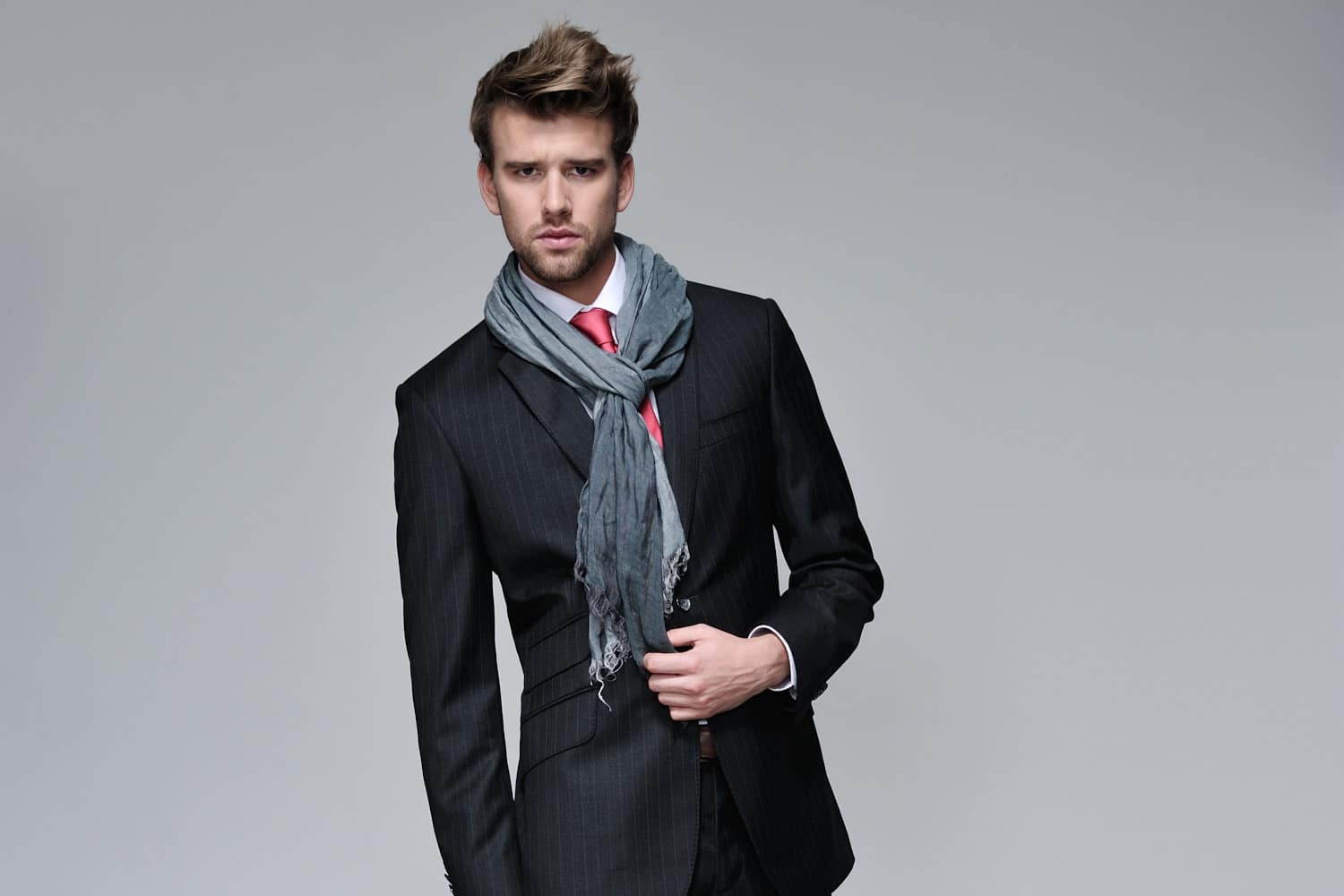
A dress laid flat reveals its fabric and color. When worn, it reveals everything that influences a purchase decision: the fullness of a sleeve, the height of the waistline, the drape of a collar, the movement of the fabric, and the overall silhouette. This is why taking photos of the garment being worn is not simply an aesthetic choice. For a fashion brand, it's a tool for product presentation, desirability, and visual consistency.
Whether on an e-commerce page, in a lookbook, or at the heart of a campaign, the garment must be immediately understandable. A model image provides the audience with the visual cues that a packshot alone cannot always deliver. It also allows the collection to exist within a specific brand universe, with an art direction tailored to its distribution channels.
Photos of the product being worn make it easier to see.
The primary role of a product photograph is very practical: to show how the garment looks on a body. Trousers may appear straight on a hanger but take on a looser line in motion. A jacket may reveal a structured shoulder, a belt a defined waist, a sweater a soft or dense knit. This information directly influences the perception of the cut and the perceived value of the product.
To provide a scale and a silhouette
Accessories are particularly affected. Without a model, it's difficult to assess the true size of a bag, the drape of a scarf, the volume of a pair of earrings, or the proportions of eyeglass frames. A photograph of the item being worn creates an immediate sense of scale. It shows the relationship between the object, the body, and the garment.
For ready-to-wear, it also answers the unspoken questions a customer might have: where does this skirt end up? Is the blazer meant to be fitted or oversized? Does this coat maintain its shape when walking? The product doesn't just become visible, it becomes projectable.
Demonstrate the behavior of matter
The cut alone is not enough. Light, pose, and movement reveal the texture of leather, the transparency of a veil, the relief of a knit, or the fluidity of viscose. This work is crucial for garments whose perceived quality depends on the drape and the details of their construction.
However, a photograph that is too static can neutralize this dimension. A good image doesn't necessarily aim for a spectacular effect. It chooses the pose, framing, and lighting that best serve the garment. For an e-commerce collection, this often means simple and repeatable poses. For a campaign or editorial, the gestures can be more deliberate, more narrative, provided the product remains clearly visible.
Why take model photos for e-commerce?
In e-commerce, product photos bridge the gap between the product and its intended use. They complement flat lays, cut-out packshots, and close-ups of the material. Each format serves a different purpose: the packshot facilitates comparison, the detail provides reassurance about the manufacturing process, while the product photo gives an overall impression of the item.
This complementarity is essential. Replacing all product images with campaign visuals can hinder readability of a product sheet. Conversely, a series of perfectly clean packshots without any silhouettes can lack impact. The right approach depends on the selling price, the product's technical specifications, the brand identity, and the level of information the buyer expects.
For an activewear brand, it's often necessary to showcase the range of motion, support, and real-world uses. For an accessible luxury brand, the focus might be on the finish, styling, and lighting. In children's fashion, comfort and spontaneous movement become paramount. Therefore, wearable photography should be conceived as a response to a specific commercial need, not as an automatic adaptation of a fashion shoot.
Building trust without overpromising
A well-produced model image contributes to a more transparent presentation of the product. It indicates body shape, height, and how the garment is worn. When accompanied by consistent information about the model's size and the garment's dimensions, it helps the customer better understand what they are seeing.
However, a common pitfall must be avoided: stylizing to the point of obscuring the product. Overly complex poses, excessive layering, or framing that cuts off key details might be effective in a campaign, but less so on a sales page. E-commerce and creative teams benefit from collaboratively defining the appropriate level of style for each deliverable.
A worn image also builds brand identity
A collection is more than just an inventory of items. It embodies an attitude, a rhythm, a cast, color combinations, and a vision of the body. Photographs of the models showcase these elements with precision. They establish a recognizable visual identity across the website, social media, newsletters, and press materials.
The choice of model is therefore strategic. It's not simply a matter of selecting a photogenic face, but of finding a presence that aligns with the brand's positioning, the target customer, and the season. A minimalist campaign, a streetwear brand, a premium line, or a children's collection all call for different casting approaches and poses.
Styling plays the same role. Showing a product worn alone follows a catalog logic. Combining it with other pieces creates a look, encourages cross-selling, and reinforces the collection's message. Both approaches can coexist within the same production, with a clear hierarchy between images intended for the product page and those designed for marketing.
Preparing for an effective wearable photoshoot
The quality of the result is determined largely before the shoot. Effective production begins with a prioritized list of references: complete silhouettes, essential details, color variations, front, side and back views, vertical images for social media, horizontal formats for website banners or press ads.
The brief must specify the intended use of the images. A photo designed for an e-commerce page doesn't have the same framing as a visual for a digital campaign. Anticipating cropping avoids having to redo a shoot to obtain a vertical image, a 4:5 format, or a web banner. This also applies to video variations, which are often produced on the same set to maintain campaign consistency.
Mastering the decor, lighting, and rhythm of the collection
The setting should support the product, not compete with it. A studio backdrop can be the most suitable solution when the goal is consistency across e-commerce pages. A constructed set, an interior, or an exterior shot in Paris can add more context to a campaign, lookbook, or editorial. In this case, the environment must remain compatible with the collection's color palette, scale, and price point.
Lighting also shapes how a garment is perceived. Soft light will highlight delicate fabrics and natural skin tones. More directional light can accentuate volume, add character to leather, or create a more graphic effect. The choice falls under the artistic direction, but must maintain a commitment to faithfully reproducing colors and materials.
Finally, the production schedule deserves special attention. For a collection with numerous items, a consistent shooting method facilitates sorting, retouching, and integration on the website. Posing guidelines, a rigorous styling plan, and precise coordination between photographer, stylist, makeup artist, assistant, and production team ensure that the schedule is met without compromising quality.
The limitations of photos worn
Photos of the garment being worn don't replace all other visuals. A bag often requires a detailed product view of its compartments and hardware. A shoe benefits from being photographed on its own to reveal its sole and finishing details. A technical garment may require close-ups of the seams, zippers, or membranes.
They also involve a larger production budget than a simple packshot: casting, styling, makeup, hair, potential location rentals, assistants, retouching, and image rights management. This investment is worthwhile when the content is designed to be used across multiple channels. A single shoot can feed e-commerce, lookbooks, social media, print media, and digital campaigns, provided these uses are planned from the outset.
The most effective choice, therefore, is not always to produce more images, but to produce the right images. A successful model photograph gives the garment just the right presence: precise enough to sell, desirable enough to make the collection memorable for the public.